
Principal Investigators
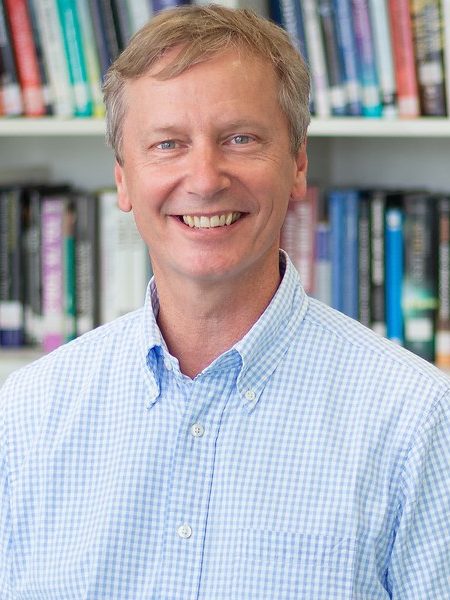
Professor Gerhard Fettweis
TU Dresden, Germany
more informationGerhard P. Fettweis, earned a Ph.D. under H. Meyr at RWTH Aachen (Germany) in 1990. After a postdoc at IBM Research, San Jose, he joined TCSI, Berkeley, USA. Since 1994 he is Vodafone Chair Professor at TU Dresden, Germany. Additionally, since 2018 he is the founding Scientific Director & CEO of the Barkhausen Institute. He researches wireless transmission and chip design, with a focus on trustworthiness at the Barkhausen Institute. He coordinates the 5G++Lab Germany and the German Cluster-for-Future SEMECO. His team spun-out 19 tech startups, and he initiated 6 platform corporations. Gerhard is member of the German Academy of Sciences (Leopoldina), the German Academy of Engineering (Acatech), the US National Academy of Engineering; and Fellow of IEEE, VDE/ITG, US National Academy of Inventors (NAI), EURASIP, DATE, and WWRF. He is active in helping organize IEEE conferences and is on the Editorial Board of Proceedings of the IEEE.

Professor Denis Flandre
UC Louvain, Belgium
more informationDenis Flandre (M’85–SM’03) received the Ms in Electrical Engineering and PhD degrees from UCLouvain, Louvain-la-Neuve, Belgium, in 1986 and 1990. His doctoral research was on the modelling of Silicon-on-Insulator (SOI) MOS devices for characterization and circuit simulation, his Post-doctoral thesis on a systematic and automated synthesis methodology for MOS analog circuits. Since 2001, he is full-time Professor at UCL. He is involved in the research and development of SOI MOS devices, digital and analog circuits, as well as sensors, MEMS and photovoltaic cells, for special applications, more specifically ultra low-voltage low-power, microwave, biomedical, radiation-hardened and high-temperature electronics and microsystems. He has authored or co-authored more than 1200 technical papers or conference contributions and 12 patents. He organized or lectured many short courses on SOI technology, devices and circuits in universities, industrial companies and conferences. Prof. Flandre is co-founder or scientific advisor of several start-ups (CISSOID, INCIZE, e-peas, VoCSens…). He is a recipient of a European Research Council Synergy Grant.
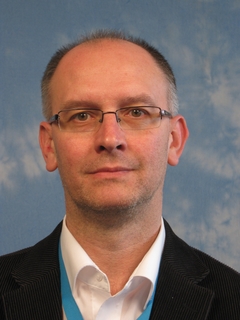
Professor Adrian Ionescu
EPFL Lausanne, Switzerland
more informationAdrian Ionescu’s research in steep slope devices is seminal. He pioneered the demonstration of electric-field controlled tunneling field-effect transistors with enhanced turn-on/off steepness using the principle of band-to-band tunneling injection. He’s made groundbreaking contributions in the field of internal gain devices using negative capacitance effect to accomplish steep turn-on/off qualities. As one of Europe’s leading scholars in the field of micro- and nanoelectronics, his focus is linking fundamental research to societal needs. Ionescu’s technical contributions range from nano-mechanical devices to futuristic post-MOSFET transistors with ultra-low power functionality. His recent venture, DIGIPREDICT, uses digital twin technology and energy-efficient sensors for personalized and preventive healthcare. His remarkable insights have fundamentally advanced the understanding of electron devices and technology. An IEEE Fellow, Ionescu is a professor at Ecole Polytechnique Fédérale de Lausanne, Lausanne, Switzerland.
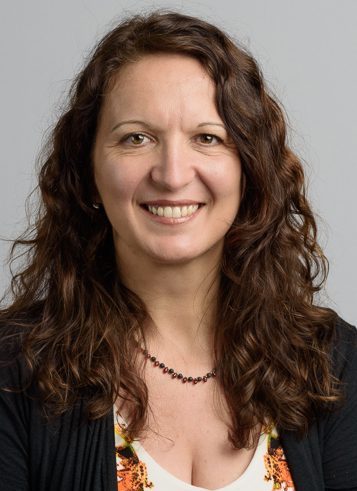
Professor Elisabetta Chicca
University of Groningen, Netherlands
more informationElisabetta Chicca received a Ph.D. in Natural Science from the Swiss Federal Institute of Technology Zurich (ETHZ, Physics department) and in Neuroscience from the Neuroscience Center Zurich in 2006. E. Chicca has carried out her research as a Postdoctoral fellow (2006-2010) and as a Group Leader (2010-2011) at the Institute of Neuroinformatics (University of Zurich and ETH Zurich) working on development of neuromorphic signal processing and sensory systems. Between 2011 and 2020 she lead the Neuromorphic Behaving Systems research group at Bielefeld University (Faculty of Technology and Cognitive Interaction Technology Center of Excellence, CITEC). In 2021 she joined the Zernike Institute for Advanced Materials at the University of Groningen as full professor and chair of Bio-Inspired Circuits and Systems. Her current interests are in the development of CMOS models of cortical circuits for brain-inspired computation, learning in spiking CMOS neural networks and memristive systems, bio-inspired sensing (vision, touch, olfaction, audition, active electrolocation) and motor control. She combines these research approaches with the aim of understanding neural computation by constructing behaving agents which can robustly operate in real-world environments. She is recipient of EU H2020 funding in various programs (ICT, MSCA, FETPROACT), NWO and DFG funding. E. Chicca contributed to the creation and launching of a new IOP journal (Nueromorphic Computing and Engineering) to promote multi-disciplinary publications in her field and futher supports the journal as Executive Editorial Board member.
The Consortium




The Team
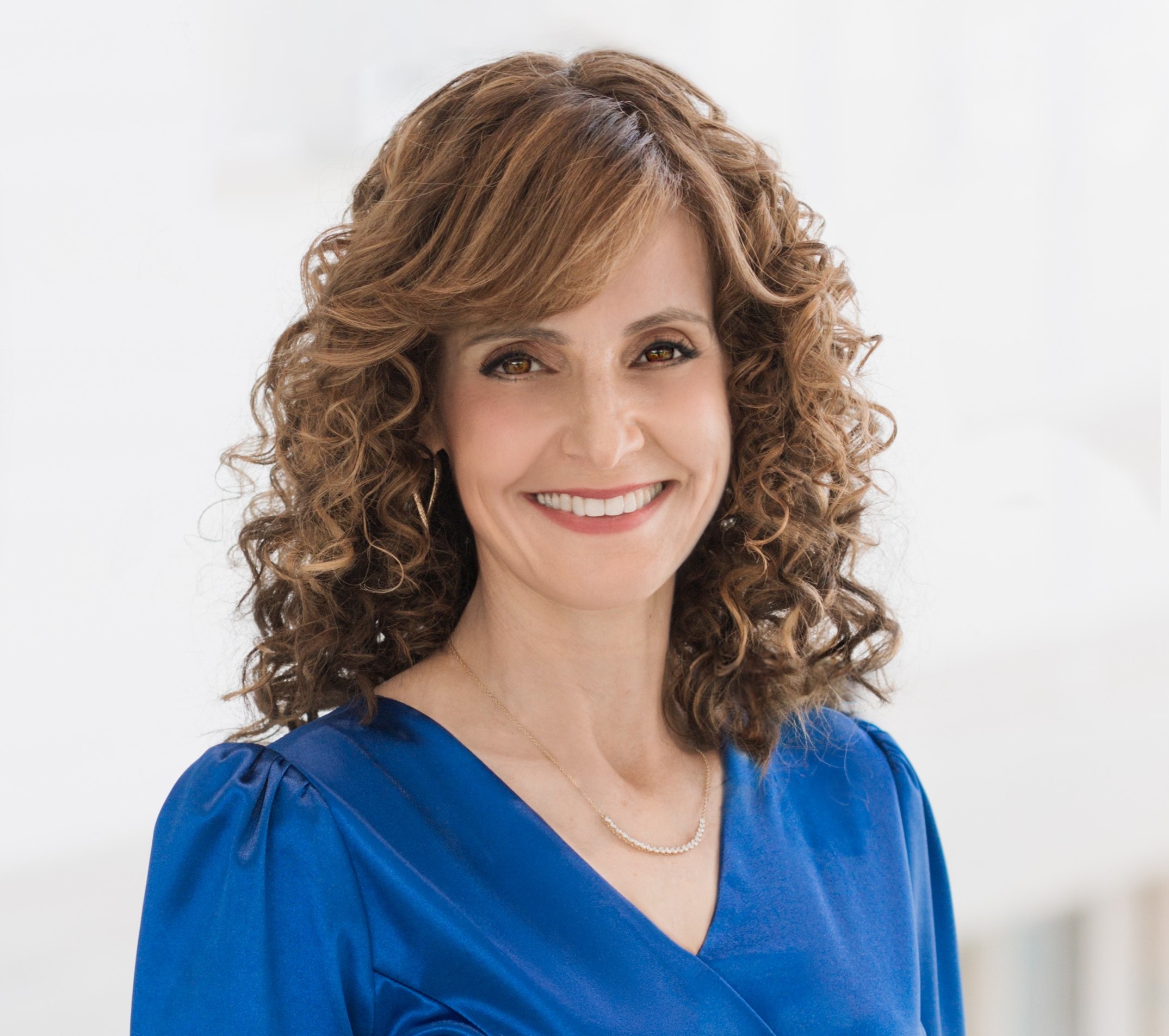
Professor Yonina Eldar
Northeastern University and Weizmann Institute of Science
more information
Yonina Eldar is the Aoun Chair Professor of Electrical and Computer Engineering at Northeastern University and a Professor in the Department of Mathematics and Computer Science, Weizmann Institute of Science, Rehovot, Israel where she heads the center for Biomedical Engineering and Signal Processing and holds the Dorothy and Patrick Gorman Professorial Chair. She is also a Visiting Professor at MIT and Princeton, a Visiting Scientist at the Broad Institute, and an Adjunct Professor at Duke University and was a Visiting Professor at Stanford. She is a member of the Israel Academy of Sciences and Humanities and of the Academia Europaea, an IEEE Fellow and a EURASIP Fellow.
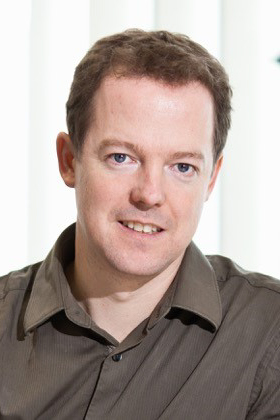
Dr. Meik Dörpinghaus
TU Dresden, Germany
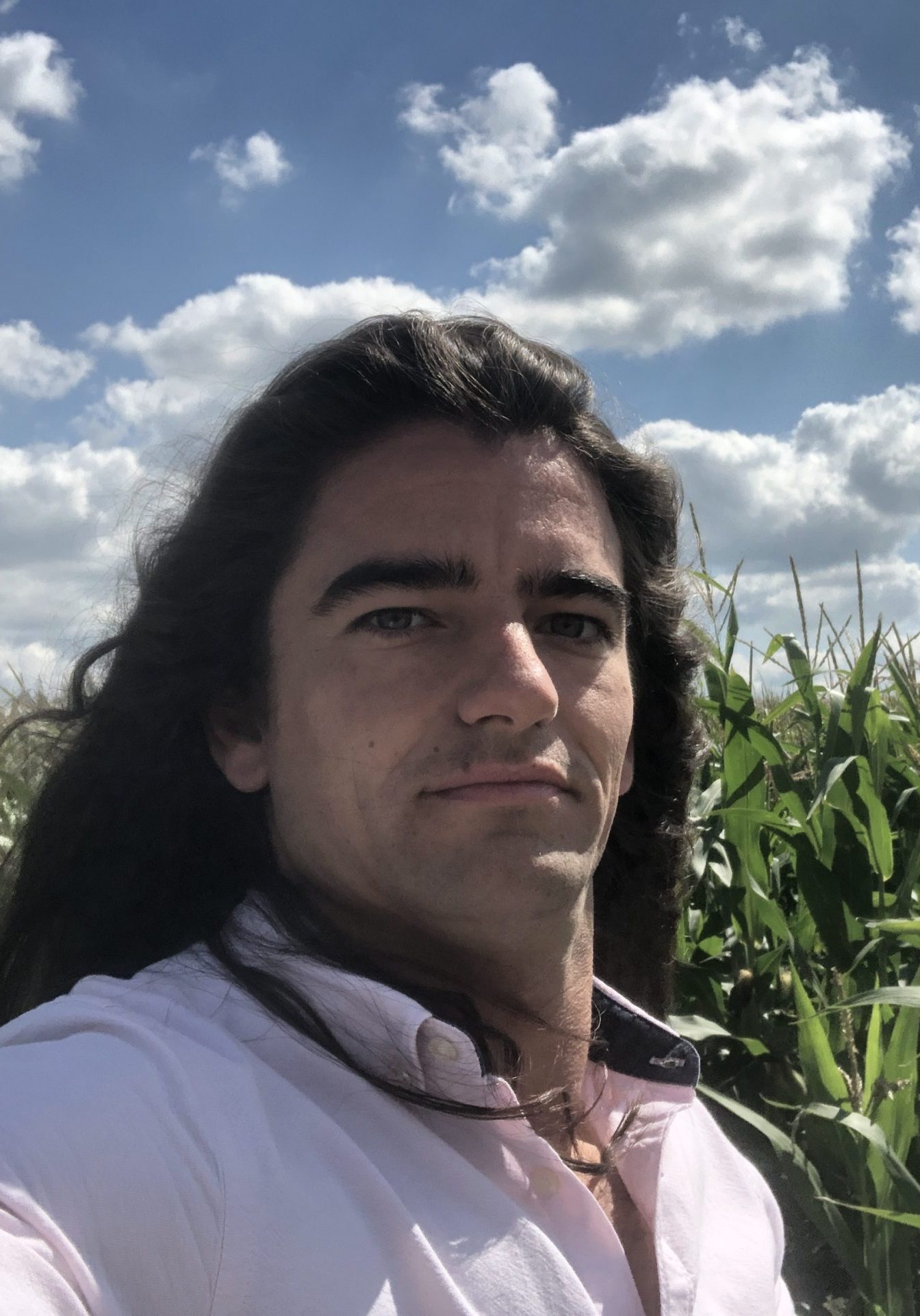
Dr. Léopold Van Brandt
UCLouvain, Belgium
more information
Léopold Van Brandt was born in Belgium, in 1995. He received the B.S. and the M.S. degrees in Electrical Engineering from the Université catholique de Louvain, Louvain-la-Neuve, in 2015 and 2017, respectively, and the PhD degree in Engineering Science for his dissertation entitled “Statistical Analyses of Intrinsic Noise and Variability Effects in CMOS Digital Latches” in 2022. He then worked for two years as a postdoctoral research fellow in the Mathematical Engineering department of the UCLouvain on the project “Thermodynamics of Circuits for Computation”. Since October 2024, he has been leading his own postdoctoral research project entitled “Stochastic Modelling of Present and Future Nonlinear Dynamical Electronic Devices and Circuits”.
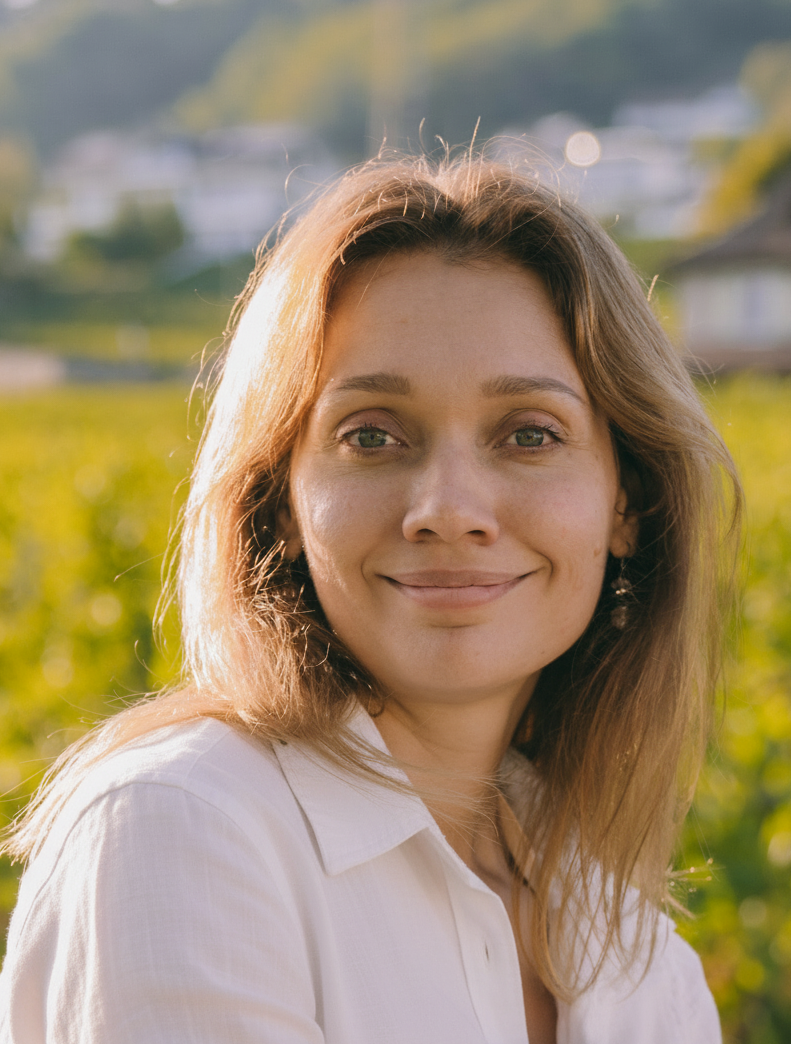
Dr. Anna Varini
EPFL Lausanne, Switzerland
more information
Dr. Anna Varini, Ph.D. (UWA, 2014), Senior Scientist at EPFL Nanolab. She studies VO₂-based materials grown by PLD and ALD to develop functional layers for neuromorphic and adaptive electronic systems. Within the SWIMS project, she applies her expertise in thin-film process development, solid-state physics and sensing. Her research and publications span sensing, materials science, and micro-/nano- system prototyping.
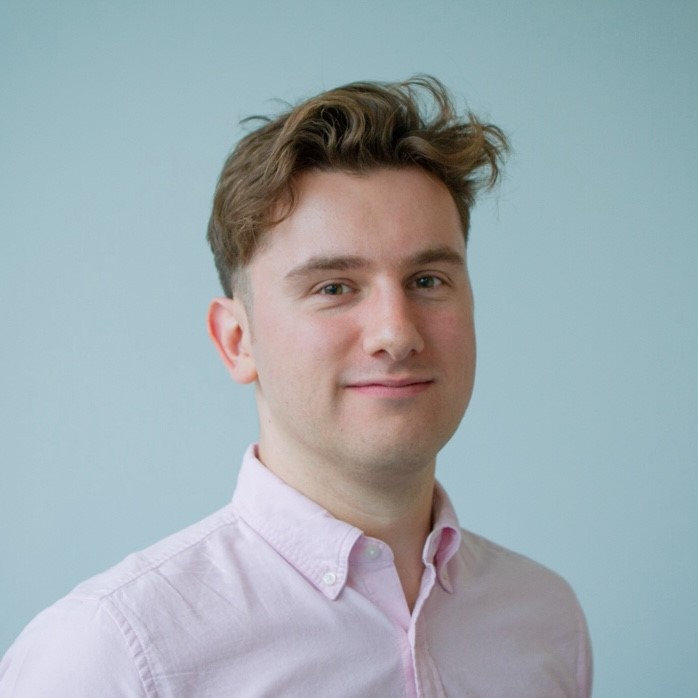
Dr. Madison Cotteret
University of Groningen, Netherlands
more information
Madison has a background in physics from Imperial College London, and completed his PhD in neuromorphic AI at the University of Groningen, under the supervision of Professors Elisabetta Chicca & Martin Ziegler. His research focuses on the development of neurosymbolic approaches to embedding robust computational functionality into large-scale spiking neural networks, so that spiking neuromorphic hardware may be “programmed” in a similar way to a digital computer.
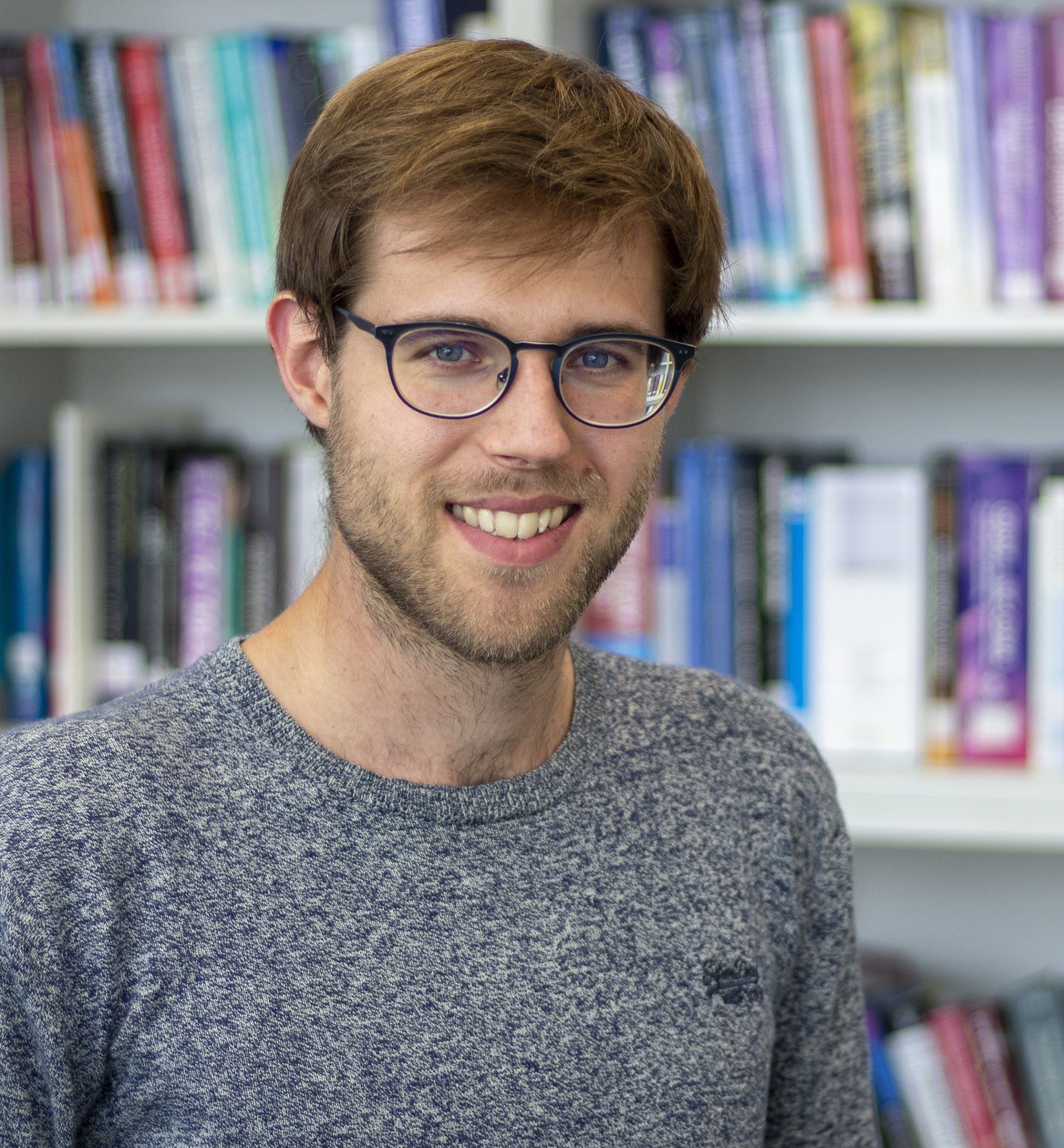
Florian Roth
TU Dresden, Germany
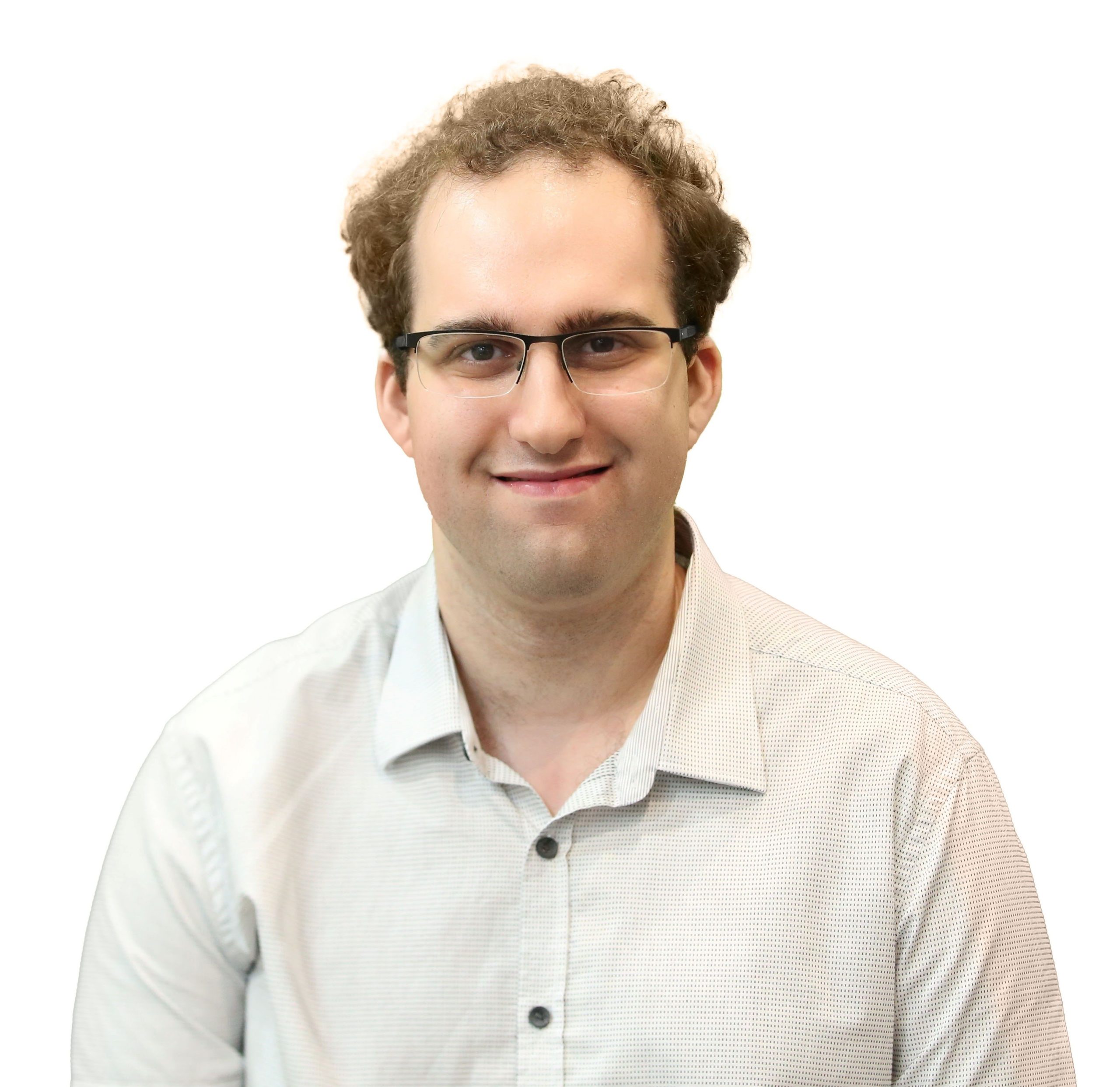
Yonatan Kvich
Weizmann Institute of Science, Israel
more information
Yhonatan Kvich received the B.Sc. degree in mathematics from Ben-Gurion University, Be’er Sheva, Israel, in 2017, and the M.Sc. degree in mathematical and computational finance from the Mathematical Institute at the University of Oxford, Oxford, United Kingdom, in 2021. He is currently pursuing the Ph.D. degree at the Faculty of Mathematics and Computer Science, Weizmann Institute of Science, Rehovot, Israel. His research interests include model-based deep learning, medical imaging, and signal processing.
Grégoire Brandsteert
UCLouvain, Belgium
more information
Grégoire Brandsteert received the M.S. degree in electrical engineering from the UCLouvain, Louvain-la-Neuve, Belgium, in 2024, where he is currently pursuing the Ph.D. degree with the Institute of Information and Communication Technologies, Electronics and Applied Mathematics (ICTEAM). His current research interests include neuromorphic silicon circuits and characterization of noise in non-linear circuits.
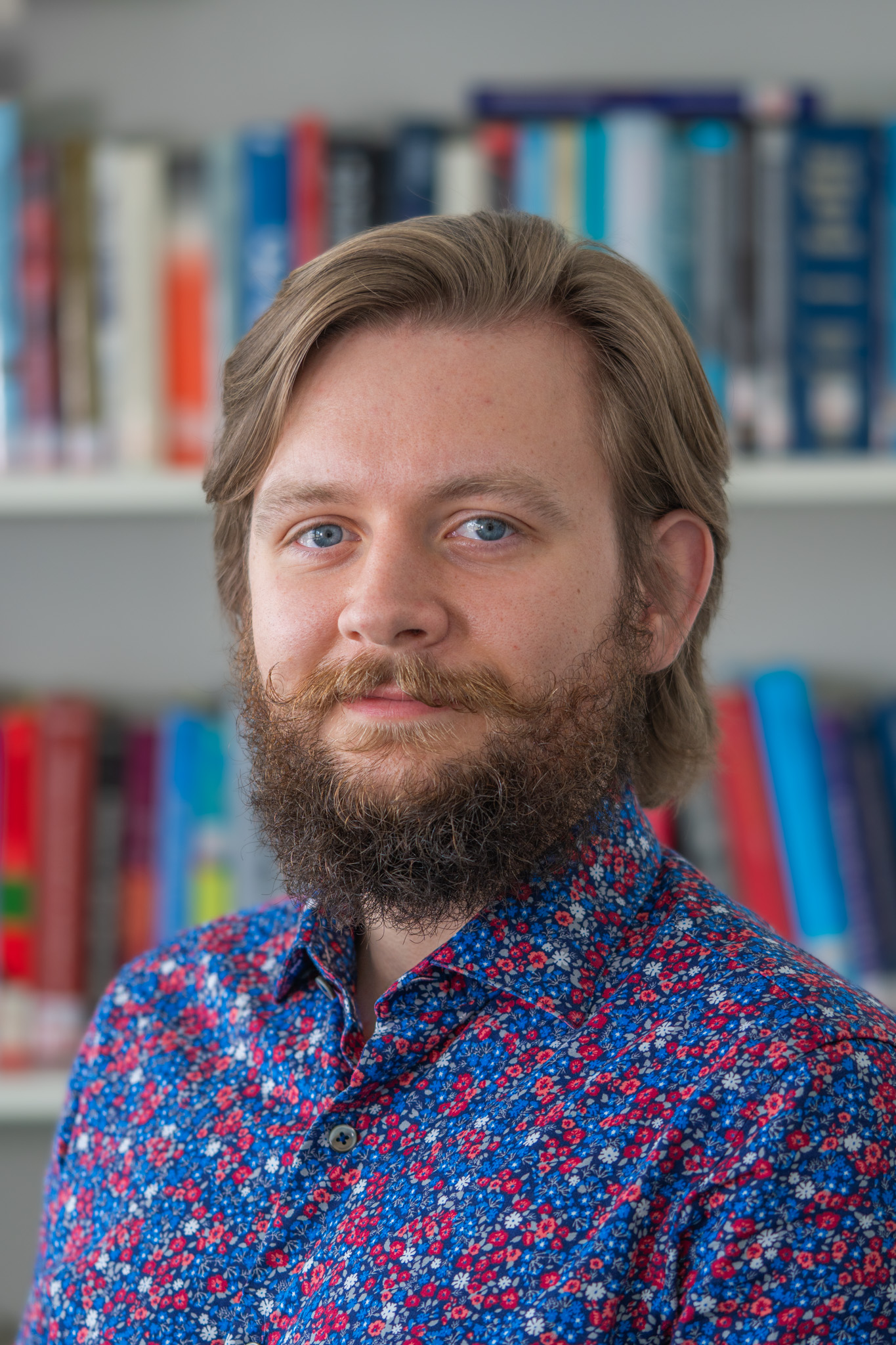
Konstantin Kochs
TU Dresden, Germany
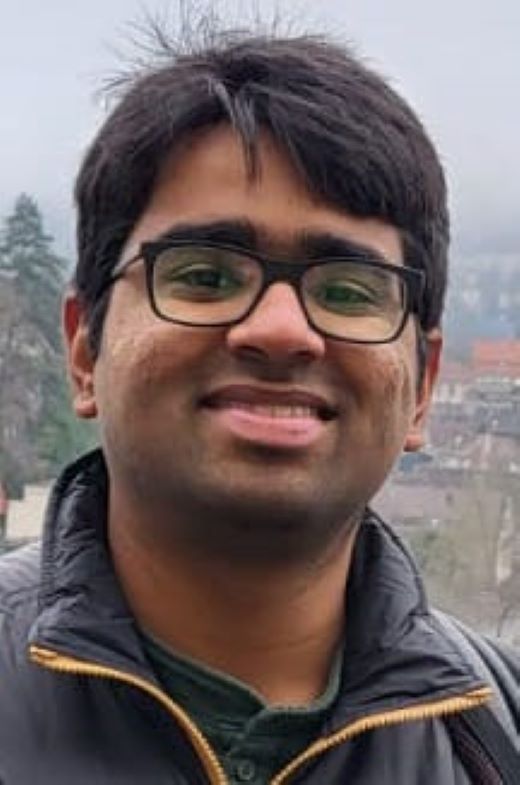
Siddharth Gautam
EPFL Lausanne, Switzerland
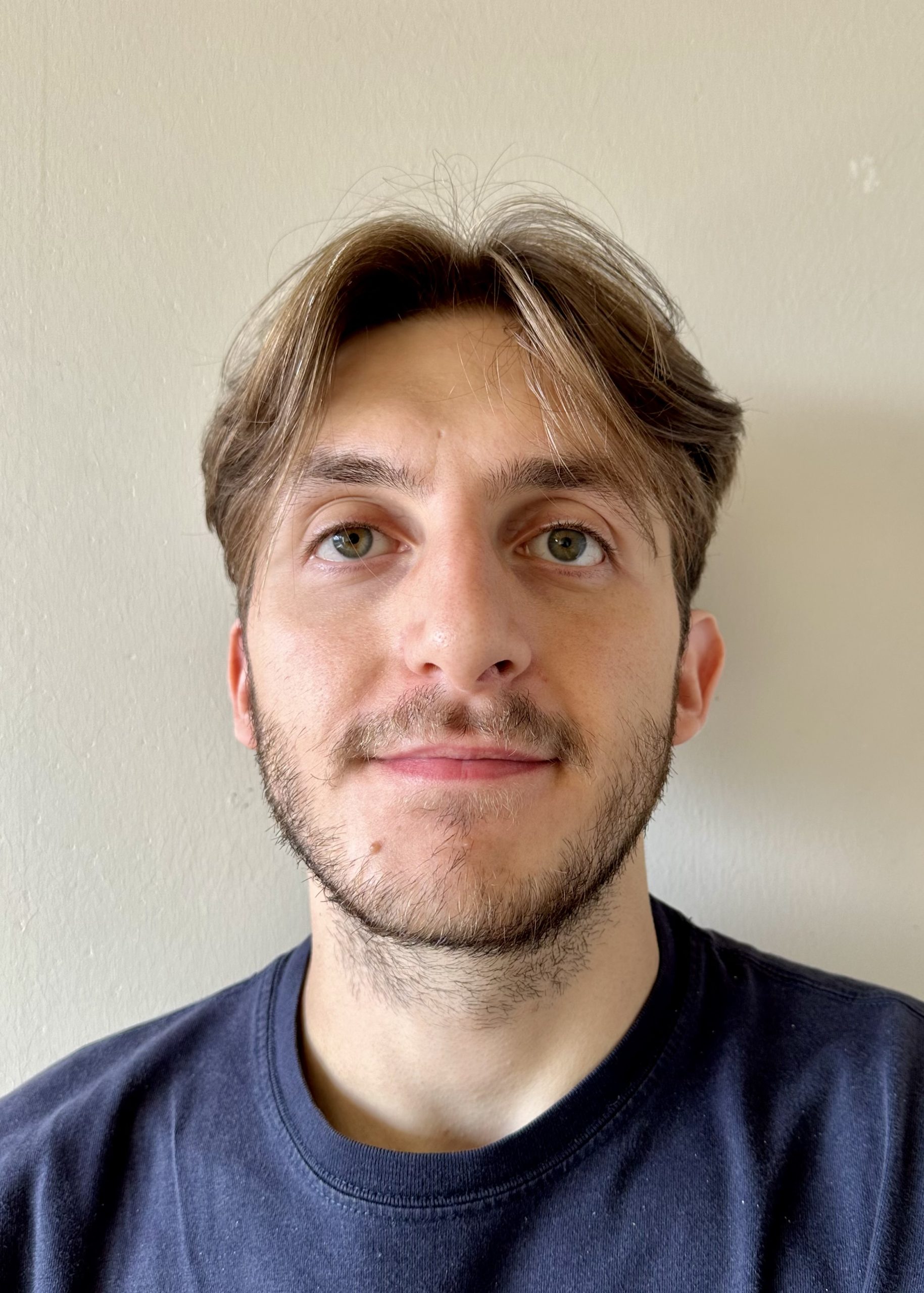
Edoardo Tenna
EPFL Lausanne, Switzerland
more information
Edoardo is a PhD student in the Nanoelectronic Devices Laboratory (NanoLab) at EPFL, Switzerland. He graduated with a BSc in Physics Engineering from Polytechnic University of Turin (Italy) in 2021. In 2023, he received an MSc in Micro- and Nanotechnologies for Integrated Systems through a joint program between Polytechnic University of Turin, Grenoble INP (France), and EPFL. His research focuses on the design, fabrication, and characterization of ferroelectric neuromorphic devices and integrated circuits.
Further Team Members
- Andrea Iaconeta, EPFL Lausanne, Switzerland
- Nikhil Garg, University of Groningen, Netherlands
- Xi Zeng, UCLouvain, Belgium
- Giuseppe Leo, University of Groningen, Netherlands
- Thomas Ratier, UCLouvain, Belgium
- Niels Burgler, University of Groningen, Netherlands